April 15, 2026
How Many Times Should You Follow Up After a Quote? (The Data Answer)
Send 5 follow-ups over 21 days. That's the sweet spot for home service contractors. 80% of sales close after 5 or more touches (Marketing Donut), yet 44% of salespeople give up after a single follow-up. The most common mistake isn't being too pushy — it's stopping way too early.
Last updated: April 2026
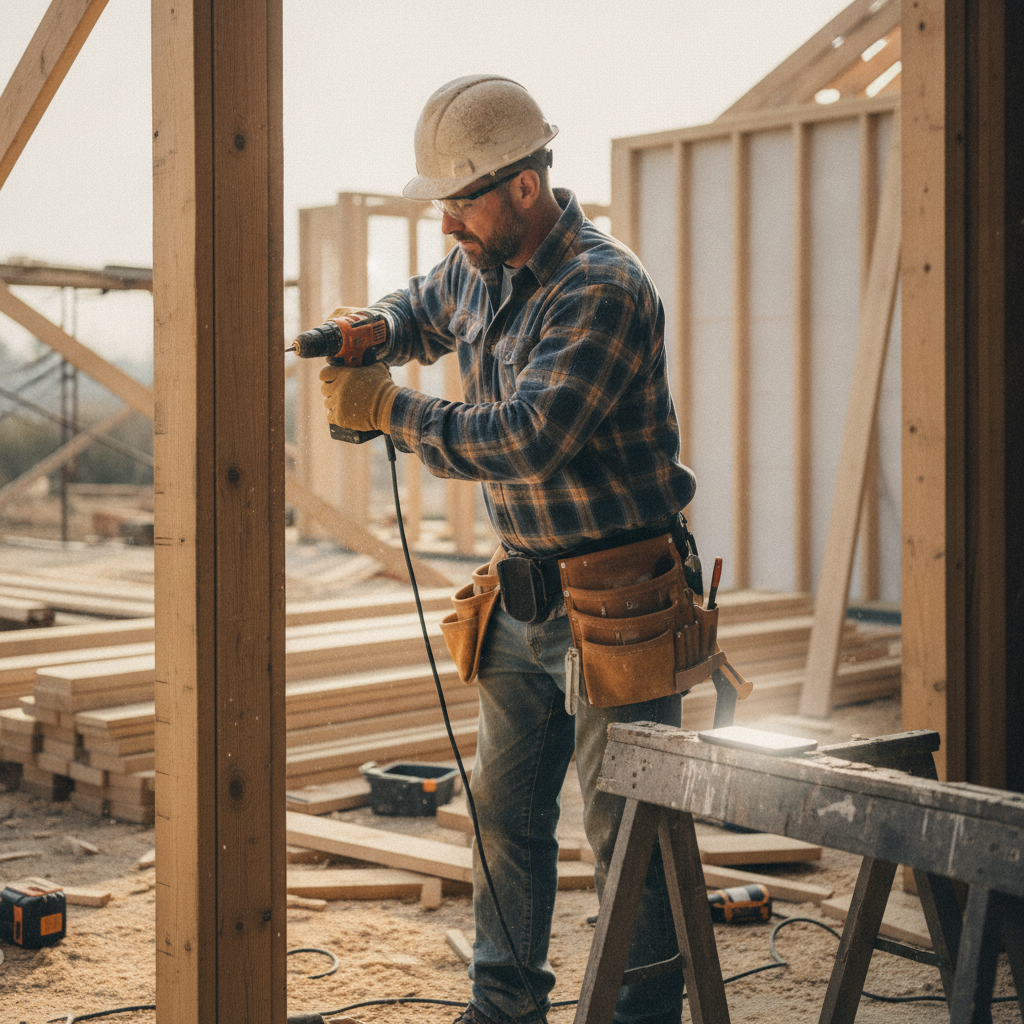
Every contractor has thought this at some point: "I don't want to be annoying. If they were interested, they'd call me back."
That logic feels respectful. It's also quietly destroying your revenue.
The data on sales follow-up is consistent across industries: 80% of sales close after five or more touches (Marketing Donut). And 44% of salespeople — contractors included — give up after a single follow-up. That gap is where most of your lost jobs are sitting.
Why contractors under-follow-up
It's not laziness. There are three real reasons:
- Fear of rejection.If you don't follow up, you can tell yourself they're "still thinking about it." The moment you reach out and get a no, it's final. Silence feels safer than a confirmed loss.
- No system.You finish a job, drive to the next one, and the follow-up task sits in your head until it evaporates. Without a process, it just doesn't happen.
- You're busy on the tools.When you've got crews to manage and jobs to run, chasing a prospect who might not even want the work feels like a low priority. It feels optional. It isn't.
All three are real problems. They all have the same solution: a system that runs without you having to think about it.
The optimal number: 5 touches over 21 days
Based on close rate data across home service contractors, five touchpoints spread over three weeks is the sweet spot. That's enough to stay top of mind through the homeowner's entire decision window without feeling like harassment.
Most homeowners aren't ghosting you because they hate you. They're busy. Got distracted. Got three other quotes and haven't compared them yet. Need to talk to their spouse. Life got in the way. A consistent, spaced-out follow-up sequence keeps you in the conversation while they work through their process.
Five touchpoints might sound like a lot. It isn't. Contact rates drop dramatically after the first message — which means most of your competition has already dropped out by message two. By touch five, you're often the only contractor still in the conversation.
When to stop
You're not trying to wear someone down. You're trying to be there when they're ready. Here's when to stop:
- They explicitly said no or went with someone else
- 30 days have passed with no engagement whatsoever
- You've hit five touches with no reply of any kind
- They asked you to stop (rare, but respect it immediately)
If none of those are true, you have not followed up too much. Keep going.
Why automation kills the "feeling annoying" problem
Here's something that surprises contractors when they first try automated follow-up: it doesn't feel desperate. It feels professional.
When a human manually follows up three or four times, it can feel like chasing. When it's automated — same message, same timing, every time, for every quote — it signals that this is just how you operate. You're organized. You have a system. That's what good businesses do.
Homeowners don't find it annoying when the message is respectful and spaced out. What they find annoying is a contractor who texts three times in one day. That's not a cadence problem — it's a judgment problem. A proper automated sequence with day gaps doesn't trigger that reaction.
Contractors who switch to automated follow-up almost universally report more replies, not fewer. People respond when they're ready. The sequence just makes sure you're still there when that moment comes.
The exact 5-touch cadence to use
Adjust the language for your trade and personality, but keep the timing:
- Day 1 (same day as the quote):Confirmation message. "Hey [Name], just sent over your estimate for [project]. Let me know if you have any questions — happy to walk through it." Email + text.
- Day 3:First follow-up. "Wanted to check in and see if you had a chance to look over the estimate. Any questions before you decide?" Keep it light and short.
- Day 7:Value reinforcement. Reference something specific about their project or mention your availability. "We have an opening coming up [timeframe] that would be a good fit for your project."
- Day 14:Soft urgency. Be honest about your schedule or material timing. No fake deadlines. "We're starting to book out through [month] — wanted to flag in case timing matters for you."
- Day 21:Final check-in. Make it easy for them to close the loop either way. "Last check-in from me on this. If the timing isn't right or you went another direction, totally understand — just let me know and I'll close this out on my end."
That last message works especially well because it gives people permission to say no without guilt. And often it triggers a yes from people who were just slow to decide.
Five touches. Three weeks. Consistent, spaced, professional. The only question is whether you're going to run it manually or automate it.
Frequently asked questions
How many follow-ups should I send after a contractor quote?
Five follow-ups over 21 days. Start with a confirmation text and email the day you send the quote, then follow up on Day 3, Day 7, Day 14, and Day 21. 80% of sales happen after five touches, but most contractors quit after one or two.
Is following up too much going to annoy homeowners?
Not if your messages are spaced out and respectful. The contractors who annoy people are the ones texting multiple times in a single day. A sequence with 3-7 day gaps, using polite and conversational language, reads as professional — not pushy.
When should I stop following up with a prospect?
Stop when they say no, when 30 days pass with zero engagement, after five touches with no reply, or if they explicitly ask you to stop. Until one of those conditions is true, you have not over-followed-up.
Should I follow up by text or email after a quote?
Both. Use text for the quick check-ins (Day 1, Day 7, Day 21) — they have a 98% open rate and get faster replies. Use email for the more detailed messages (Day 3, Day 14) where you can include more context, photos, or references. The two channels reinforce each other.
Stop Losing Jobs to Silence
QuoteFollow automatically follows up with every prospect after your quote — by email and text. $79/month, 14-day free trial.
Start free trialKeep reading
Related guides
When to Follow Up After an Estimate (Hour-by-Hour)
Within 24 hours for the first touch. Then Day 3, 7, 14, and 21. Here's the timing, the reason behind each touch, and what to do when they've opened your email multiple times.
Templates5 Quote Follow-Up Templates That Get Replies (Copy+Paste)
Copy-paste text and email templates for Day 2 through Day 21 after sending a quote. Each one is explained so you know why it works.
Follow-UpWhy Contractors Don't Follow Up (And the Real Cost)
Too busy. Assume silence means no. Don't want to seem desperate. Here's the real math: same 20 quotes, 10% better close rate = $16k more revenue. No new leads needed.
Stop losing quotes to silence.
QuoteFollow chases every quote and invoice automatically — flat $79/mo, SMS included.
Start free trial →