June 25, 2026
HVAC Estimate Follow-Up Text Messages: The 3-Sequence Playbook That Closes More Jobs
# HVAC Estimate Follow-Up Text Messages: The 3-Sequence Playbook That Closes More Jobs Your HVAC estimate just hit the homeowner's inbox. Now what? Most HVAC contractors wait. They send the estimate
Last updated: June 2026
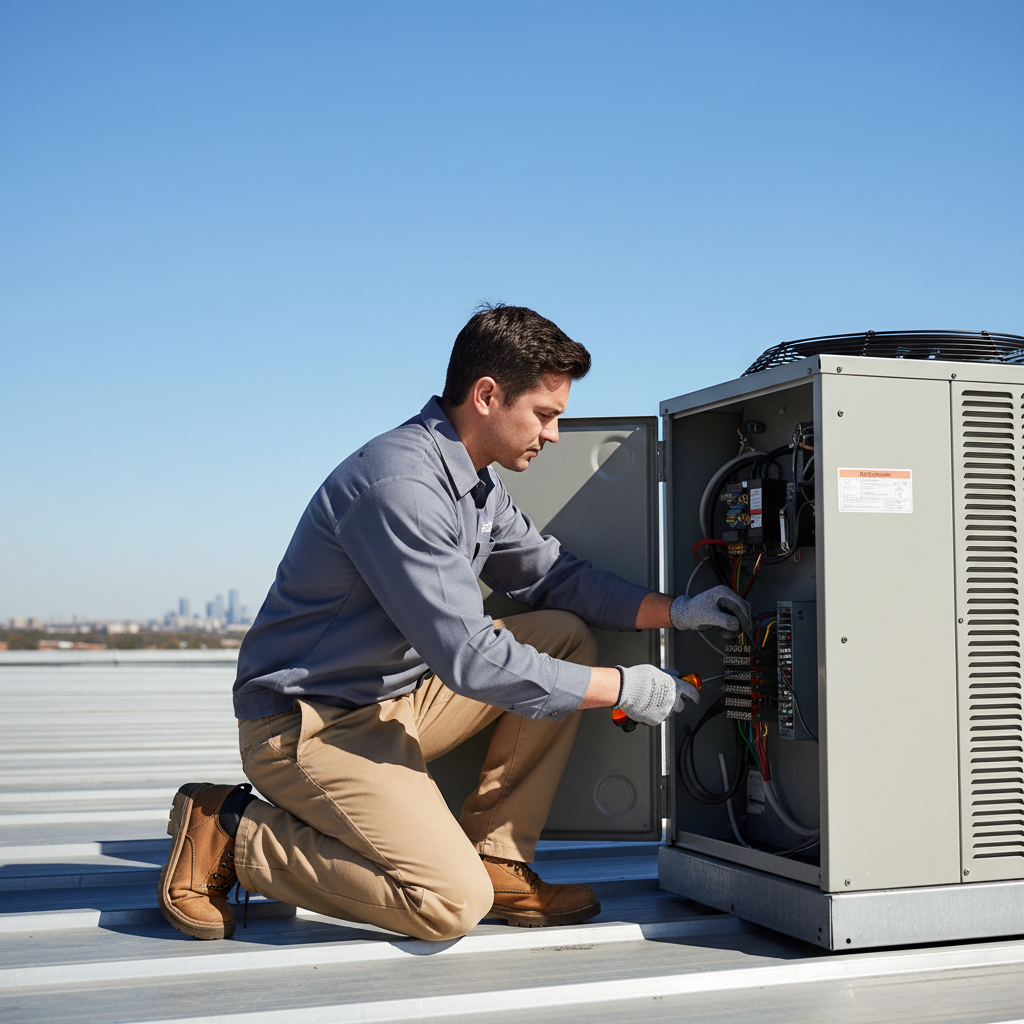
Your HVAC estimate just hit the homeowner's inbox. Now what?
Most HVAC contractors wait. They send the estimate, assume the homeowner will call back when they're ready, and move on to the next service call.
The problem: homeowners don't call back. Not because they don't want the work done — because they're busy, they're comparing options, or they're waiting for the right moment to commit. And while they wait, another HVAC company that followed up is booking the job.
Text message follow-up changes this equation. SMS has a 98% open rate compared to email's 20-30%. For time-sensitive decisions like HVAC replacements — especially in the middle of a Florida summer or a cold Chicago January — the right text at the right moment closes jobs that would otherwise go cold.
Here's the 3-sequence SMS playbook that HVAC contractors are using to close more of the estimates they send.
Why Text Message Follow-Up Works Specifically for HVAC
HVAC estimates have a unique dynamic compared to most home improvement jobs: urgency is always present, but timing is unpredictable.
A homeowner whose AC stopped working in July is motivated to decide fast. But they're also stressed, comparing prices, and trying to figure out financing. They want to move forward — they just need a push at the right moment.
That moment is usually not the first message after the estimate. It's the second or third.
Industry data on HVAC conversion rates shows:
- Response rate after 1 follow-up: 15-25%
- Response rate after 3 follow-ups over 14 days: 40-55%
- Response rate for SMS vs. email-only follow-up: 2-3x higher for time-sensitive residential service work
The pattern is consistent: more touches, correctly timed, increase your close rate. SMS gets those touches opened.
The 3-Sequence HVAC Estimate Follow-Up Playbook
Sequence 1 — The Delivery Confirmation (Within 2 Hours of Estimate Send)
This text has one job: confirm the estimate arrived and open the door for questions.
Template:
Hi [First Name], just sent over your HVAC estimate for [Address]. Let me know if you have any questions about what's included — happy to walk through it. — [Your Name], [Company]
Why this works:
- Confirms the estimate was received (spam filters catch more than people think)
- References the specific address so it doesn't feel automated
- Invites a question rather than asking for a decision
- Signs off with a name — not "the team"
Key rule: Send this within 2 hours of the estimate, not the next morning. The homeowner is still thinking about their AC problem when the estimate hits. Two hours later, they're on to something else. Two hours is the window.
What NOT to do: Don't ask for a decision in this text. "Let me know if you'd like to move forward!" is pressure the homeowner hasn't earned yet. They just got the estimate 30 minutes ago. Give them room to breathe.
Sequence 2 — The Soft Follow-Up (Day 5-7 With No Response)
If the homeowner hasn't responded after five to seven days, send a follow-up that acknowledges time has passed and removes pressure while keeping the door open.
Template:
Hi [First Name], following up on the HVAC estimate I sent last week for [Address]. No rush at all — just wanted to make sure you had everything you needed. I'm happy to answer any questions or adjust anything if your situation has changed. — [Your Name]
Why this works:
- "No rush at all" disarms the pressure dynamic
- "Adjust anything if your situation has changed" gives the homeowner permission to come back with a different ask (maybe they want a unit downgrade, or they got a competing price)
- It doesn't ask for a decision — it asks if they need help
A note on timing: Five to seven days is the sweet spot. Three days feels impatient for a larger HVAC installation; ten days is too long and you may lose the job to someone who followed up on day four.
Sequence 3 — The Decision Window Close (Day 12-14 With No Response)
Two weeks out, it's time to be direct. The homeowner has had time to think. They know what they want — they just haven't pulled the trigger. This text gives them a clear, low-friction path to yes.
Template:
Hi [First Name], circling back on your HVAC estimate one last time. I have availability opening up the week of [Date] for your installation — wanted to flag it before it fills. If you're ready to move forward, just reply here or call me at [Number]. If the timing doesn't work, I totally understand — no pressure at all. — [Your Name]
Why this works:
- "One last time" signals that you won't keep messaging — this closes the loop and actually increases response rate because the homeowner knows it's their last chance without being pushy
- A real availability window creates mild urgency without being manufactured
- Gives two response paths (text reply or phone call)
- Ends with an out — this keeps the homeowner from feeling cornered, which paradoxically makes them more likely to respond
What to do if they respond: Stop automating immediately. Pick up the conversation where the SMS left off. Don't send the Day 14 template if the homeowner replied on Day 7 — that's a fast way to lose trust and look like a bot.
What to Add to Each SMS Sequence (Trade-Specific Tactics)
For HVAC Replacements ($5,000+)
For larger replacement jobs, the stakes justify more personalization. Mention the equipment brand and model in your follow-up ("the Trane XR17 we quoted for you"), reference the energy savings calculation if you included one, and be specific about the warranty.
Higher-ticket decisions take longer. Your Day 14 close is fine — but consider adding a Day 21 text for jobs over $8,000 where the homeowner may be arranging financing.
For Maintenance Contracts
Maintenance contracts have a different close dynamic: the homeowner isn't in crisis mode, so urgency is lower. For service agreements, lead your Day 5-7 follow-up with a specific benefit: "Reminder that our maintenance plan includes priority scheduling and 15% off any repairs — happy to add this to your quote if you want."
The reminder-of-value approach works better here than the availability-window close.
For Emergency Repairs (Same-Day or Next-Day Work)
For emergency calls where you've left a quote pending same-day, your follow-up window compresses. Send Sequence 2 within 24 hours ("Just following up on the repair estimate I left this morning") and Sequence 3 within 48-72 hours. The homeowner is either booking another tech or dealing with the heat — either way, a delayed follow-up loses the job.
How to Automate HVAC Estimate Follow-Up (Without Building a Bot)
Running this 3-sequence cadence manually for every estimate works if you're doing 5-10 quotes a month. At 20-30 quotes a month, you'll drop the ball. At 50+, it's impossible.
The options for HVAC contractors:
Option 1: Spreadsheet tracking + calendar reminders
Write every open quote into a spreadsheet with the send date. Set calendar reminders for Day 5 and Day 14. Write each follow-up manually.
This works. It also takes 30-60 minutes per week just on follow-up logistics. The risk: when a big job comes in, the calendar reminders get ignored.
Option 2: CRM automation sequences
Most CRMs let you set up email sequences. Some integrate with SMS tools. The setup time runs 2-4 hours, and you'll need a Twilio or similar account for SMS. Maintenance is ongoing.
The limitation: your CRM tracks leads and reminds you to follow up. The automation sends the message for you, but you're still responsible for making sure the sequence fires correctly for each new quote you log.
Option 3: A dedicated quote follow-up tool
Tools like QuoteFollow are built specifically for the quote-to-close window. Connect your estimate workflow, define your cadence (we recommend the 3-sequence playbook above as a starting point), and every quote gets automatic email + SMS follow-up from day one through day 14 — or longer, depending on your window.
The difference from a CRM: the chasing is the product, not a feature. There's no sequence builder to configure, no Twilio integration to maintain, no reminder system to track. The quote comes in, the chase runs, the homeowner replies, the chase stops.
For a flat $79/month with no per-user fees, it's designed for the HVAC contractor who runs 20-100 quotes a month and doesn't have time to chase each one manually.
The HVAC Follow-Up Mistakes That Cost Jobs
Mistake 1: Waiting more than 24 hours to send the first text
The homeowner is most receptive when they're still thinking about their system. Waiting until the next day drops your Day 1 response rate significantly.
Mistake 2: Sending the same message three times
"Just checking in" → "Just checking in" → "Just checking in" is the pattern that makes homeowners feel like they're being processed, not helped. Each touch should add something new: a question, a context update, or a decision prompt.
Mistake 3: Stopping after the first non-response
The majority of contractors who do any follow-up stop after the first. The homeowner who signs on Day 14 is the one most contractors have already written off.
Mistake 4: Sending texts from a personal number
Using your personal cell for business SMS creates problems: no tracking, no opt-out management, and no separation between your work and personal life. Use a business SMS number or a tool that provides one.
Mistake 5: Asking for the sale in every message
"Are you ready to move forward?" in every text feels transactional. Mix your touches: one confirmation, one value-add, one decision prompt. Not three decision prompts.
Building the System Once, Running It Every Quote
The contractors who consistently close 50-70% of their HVAC estimates aren't working harder than the contractors closing 20%. They've built a system that chases for them.
The 3-sequence SMS playbook — delivery confirmation within 2 hours, soft check-in at Day 5-7, direct close at Day 12-14 — works for HVAC estimates at every ticket size. It's polite, professional, and persistent without being pushy.
The question isn't whether to follow up. It's whether you're doing it every time, for every quote, on the schedule that closes deals.
We chase. You build.
QuoteFollow automates quote and invoice follow-up for HVAC contractors and home service businesses. Email + SMS from day one through payment. Flat $79/month, unlimited users, 14-day free trial — no demo call, no annual contract. Start free at quotefollow.co.
Stop losing jobs to silence.
QuoteFollow handles every follow-up automatically, so you close more jobs without lifting a finger.
Start your 14-day trial