April 11, 2026
Painting Contractor Follow-Up: How to Turn More Estimates Into Booked Jobs
Painting prospects are the most likely to ghost. It's not because your price is wrong — it's because a $4,000 exterior paint job feels less urgent than a leaking roof, so it keeps getting pushed back. Three solid follow-up touches, sent consistently, will move your close rate from 30% to closer to 50%. Most painting contractors send one message and give up. That's why this works.
Last updated: April 2026
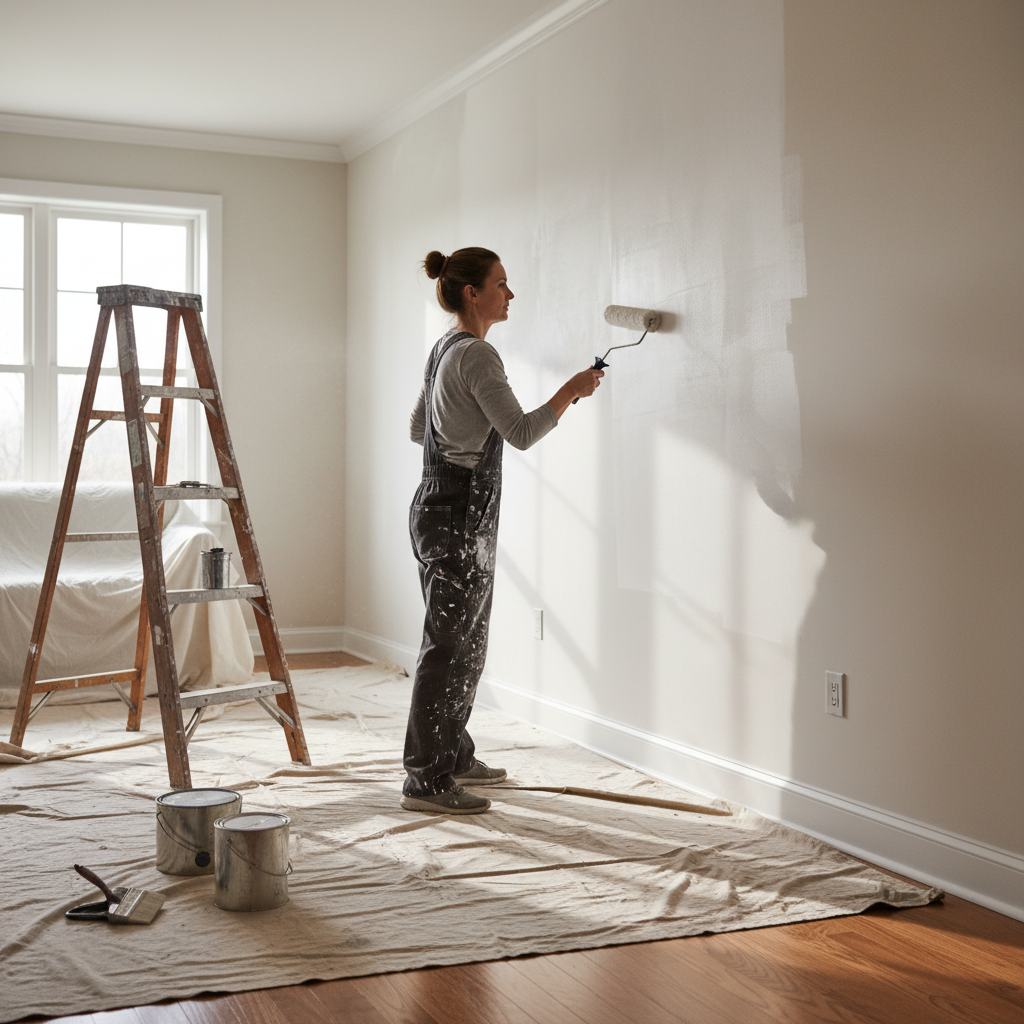
Painting has thinner margins than most trades. You're working with crews, paying for materials, and competing on price more than most contractors want to admit. That means every job you don't close from an estimate you already ran is money you spent acquiring a lead and got nothing back for. If you're running 40 estimates a month and closing 30%, you're leaving 28 potential jobs on the table. Converting even 5 more per month changes your business.
The follow-up system for painting doesn't need to be complicated. Three solid touches, executed consistently, will outperform what most painting contractors do. Here's exactly how to run it.
The 3-touch minimum for painting estimates
For a painting job in the $2,000 to $12,000 range, you need at least three follow-up messages. One is not enough — 44% of salespeople give up after one follow-up, but 80% of sales happen after the fifth contact (Salesforce Research, 2023). You don't need to go to five for painting, but you absolutely need to get past one.
- Touch 1 (Day 1-2):Confirm the estimate arrived. Keep it short and conversational. "Hey [Name], [Your Name] here — wanted to make sure the painting estimate came through. Any questions, just shoot me a text."
- Touch 2 (Day 5-7): Add a reason to re-engage. Use a seasonal hook, mention availability, or share something specific about their project. See more on this below.
- Touch 3 (Day 12-14): The final check-in. This is the message that gets the most surprising responses. See the exact text below.
Why text beats email for painting prospects
Painting customers skew slightly less tech-engaged than remodeling or HVAC customers. They're less likely to open an email from a contractor they met once and more likely to respond to a text that shows up like a message from a person. Text open rates for contractors run around 95-98% (Gartner, 2024). Email open rates, even from warm contacts, rarely break 30%.
For your day-1 confirmation and your final check-in, text is non-negotiable. Email works fine for the mid-sequence message when you're including photos or a project breakdown, but even then, leading with a text that says "sent you an email with some photos of similar work — let me know if you want to chat" will get more opens than the email alone.
Using photos in your follow-up
Painting is one of the most visual trades — and most contractors never send photos in their follow-up. This is a missed opportunity. A text with a photo of a similar exterior job you just finished, color scheme matching what the homeowner was considering, does more selling than three paragraphs of text.
The day-7 follow-up is the right place for this: "Finished a similar exterior job this week — thought you might like to see how this color combination looks in the light." Attach a clean before/after or a final shot. Homeowners make painting decisions emotionally. Showing them what it could look like brings the decision alive in a way that a quote document never can.
Seasonal angles that create real urgency
Painting has natural seasonal pressure you should use. Spring is exterior season — temperatures are right, paint cures properly, and homeowners want the house looking good for summer. If you're running exterior estimates in March and April, your follow-up should reference the season: "Spring is our busiest time for exterior work — if you want to get on the schedule before June, now is the right time."
Fall and winter shift to interior jobs: kitchens, living rooms, the refresh before the holidays. "A lot of homeowners are doing interior work before Thanksgiving — if you want the living room done before the holidays, we'd need to get started in the next few weeks" is a genuine urgency driver that isn't manufactured. You're just helping the homeowner connect their timing to reality.
The final message that gets responses
The last message in your sequence is the highest-leverage one, and it's also the one most painting contractors would never think to send. It works because it gives the prospect an easy way to respond without feeling like they're committing to anything.
Here's the exact text:
"Hey [Name], just wanted to close the loop on your painting estimate. Did you end up finding someone for the project? No problem if so — just want to make sure I'm not leaving you hanging if you still need help."
That message gets responses from three types of people: the ones who booked someone else and feel a little guilty about it (useful feedback), the ones who got busy and forgot (now re-engaged), and the ones who were waiting for a reason to move forward (now booking). The "did you find someone?" framing removes the pressure entirely. You're not asking for the job — you're asking for closure. Homeowners respond to that.
In painting, the difference between a 30% close rate and a 50% close rate often comes down entirely to follow-up. The job quality, the price, the crew — most of that is already baked in from the estimate appointment. What moves the needle afterward is whether you showed up again when the homeowner finally had a moment to think about it. A three-message automated sequence makes that happen without you lifting a finger after you send the quote. At $5,000 average job size, closing two extra jobs a month from better follow-up adds $120,000 a year to your revenue.
Frequently asked questions
Why do painting prospects ghost more than other trades?
Painting feels optional compared to structural repairs. A homeowner with a failing roof calls someone urgently. A homeowner who wants a fresh exterior coat keeps pushing it back when life gets busy. That's not rejection — it's procrastination. A follow-up sequence re-engages them when they finally have a free moment to think about it.
How many follow-up messages should a painting contractor send?
Three is the practical minimum for painting jobs. Touch 1 on day 1-2, Touch 2 on day 5-7 with a photo or seasonal hook, and Touch 3 on day 12-14 with the "did you find someone?" close-out message. That sequence, sent consistently, outperforms what 90% of painting contractors do.
What's the best follow-up message for a painting estimate?
The final message asking "did you end up finding someone?" outperforms every other type of painting follow-up. It removes pressure, invites an honest response, and re-engages homeowners who were just procrastinating. It works because it doesn't ask for the job — it asks for an update.
Should painting contractors use photos in their follow-up?
Yes, and almost none of them do. A before/after photo from a similar recent job, texted on day 5-7, does more selling than any written message. Painting is a visual decision and homeowners respond to seeing the finished result, especially when the colors or style match what they were considering.
Stop Losing Jobs to Silence
QuoteFollow automatically follows up with every prospect after your quote — by email and text. $79/month, 14-day free trial.
Start free trialKeep reading
Related guides
5 Quote Follow-Up Templates That Get Replies (Copy+Paste)
Copy-paste text and email templates for Day 2 through Day 21 after sending a quote. Each one is explained so you know why it works.
SalesSpeed to Lead: Why First Contractor to Reply Wins (78%)
78% of customers hire the first company to respond. Here's the data, why contractors are structurally slow, and how to fix it even when you're on the job.
Follow-UpHow Many Follow-Ups After a Quote? (Data Says 5)
80% of sales close after 5+ touches. 44% of contractors give up after one. Here's the exact cadence that maximizes conversions without being annoying.
Stop losing quotes to silence.
QuoteFollow chases every quote and invoice automatically — flat $79/mo, SMS included.
Start free trial →