April 15, 2026
How Roofing Contractors Should Follow Up After Estimates (Without Being Annoying)
You climbed on the roof, measured everything twice, put together a solid estimate, and sent it over. Then nothing. If that sounds familiar, you're losing between 35 and 50 percent of your bids to silence — not to a cheaper competitor, just to a homeowner who got busy and forgot to call back. The fix is a structured 5-touch follow-up sequence across 21 days: day 1, 3, 7, 14, and 21. Most of those silent prospects are still deciding. They just need you to show back up.
Last updated: April 2026
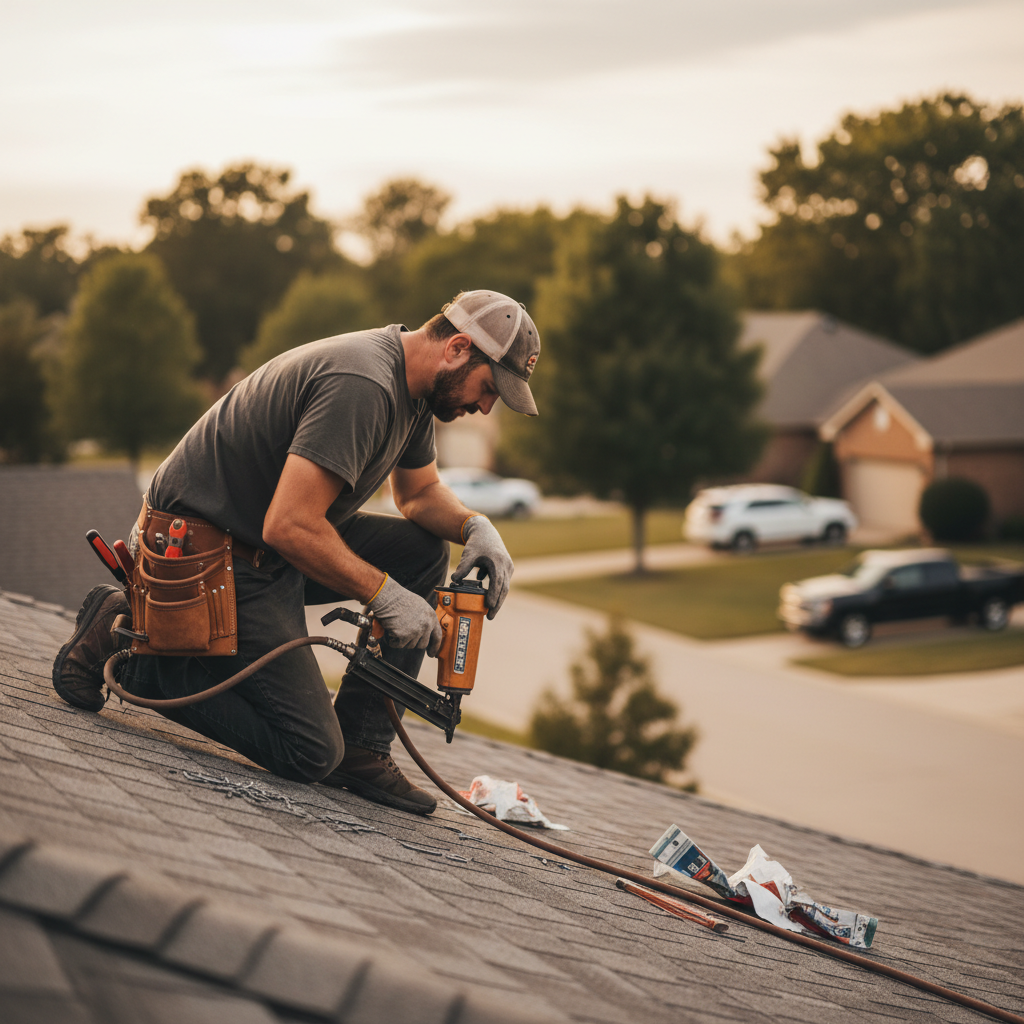
Most of those lost jobs are recoverable. Homeowners who go quiet usually haven't chosen someone else — they're overwhelmed, distracted, or waiting on a second quote that never came. A structured follow-up sequence pulls them back into the conversation. The roofers who close 60-70% of their bids aren't doing better work — they're just following up more consistently.
Here's the exact cadence that works for roofing, what to say at each touchpoint, and how to handle the objections you'll actually hear.
Why does roofing specifically need a follow-up system?
Roofing is a high-ticket, infrequent purchase. Most homeowners have never hired a roofer before and won't hire one again for 20 years. That unfamiliarity creates hesitation. They don't know what a fair price looks like, they don't know how to evaluate contractors, and they're handing over $12,000 to $45,000 to someone they met once. That fear causes paralysis, not quick decisions.
Layer on top of that the seasonal pressure your business faces. Storm season means you're slammed. So is spring when everyone's realizing their roof didn't survive winter. When you're busy, follow-up is the first thing that falls off. But the estimates you send during your busiest periods are also worth the most — and those are exactly the ones that get neglected.
An automated follow-up sequence solves this. You set it up once, it fires on the right days, and you close more jobs without adding a single hour to your workload.
The 5-touch follow-up cadence for roofing
Here's the timing and the purpose of each message. Channel matters too — text gets opened faster than email (98% open rate vs. 20%, Gartner, 2024), so lean on text for the early messages.
- Day 1 (same day or next morning):Confirm receipt and add a soft next step. "Hi [Name], just wanted to make sure you got the estimate I sent over for your roof. Happy to answer any questions — just reply here or call anytime." Short, no pressure, keeps the conversation warm.
- Day 3:Check in with a light touch. This is the message most roofers never send, and it's the one that closes the most jobs. See the example below.
- Day 7:Add a value point. Mention something specific to their situation — maybe you noticed a flashing issue when you were up there, or you want to flag that material prices are moving. Give them a reason to re-engage beyond just "following up."
- Day 14:Address the "getting other bids" objection proactively. Most homeowners are stuck in decision paralysis at this point, not actively shopping. A message that acknowledges the decision process and removes friction works well here.
- Day 21:The final check-in. Keep it brief and non-desperate. "Still happy to help if the timing is right — just let me know either way." This one gets a surprising number of responses from people who feel guilty about going quiet.
The day 3 text that gets responses
Day 3 is your highest-leverage message. Here's a real example of what to send:
"Hey [Name], this is [Your Name] from [Company]. Sent over your roofing estimate a few days ago — just checking in to see if you had a chance to look it over. Any questions at all, I'm happy to walk through it. No pressure, just want to make sure you have what you need to make a decision."
That message works because it doesn't feel like a sales call. You're not asking for the job — you're asking if they have questions. That's a much easier ask, and it opens the door for a real conversation where you can actually address what's holding them back.
Handling "I'm getting other bids"
This is the most common response you'll get when you do follow up, and most contractors either panic or back off too quickly. The right move is to welcome it. "That makes complete sense — you should get a few quotes on a project this size. While you're comparing, just make sure whoever else comes out checks [specific detail you found — the ridge cap, the flashing around the chimney, etc.]. That's something that often gets missed and creates problems down the road."
Now you've positioned yourself as the expert, not just another bidder. You've given them something specific to look for, which they'll think about when they're talking to the next contractor. That kind of follow-up converts at a much higher rate than "let me know if you have questions."
Text vs. email: when to use each
For roofing, text is your primary channel for days 1, 3, and the final check-in. It feels personal, it gets read, and homeowners respond to it the way they'd respond to a message from a neighbor. Email is better for day 7 and day 14 when you're including more detail — a breakdown of what's included, photos from your visit, or links to reviews.
Never call without sending a text first. A cold call from an unknown number feels like a sales ambush. A text that says "I'll give you a quick call in a few minutes to answer any questions" is a completely different experience. Your pickup rate will double.
Why manual follow-up doesn't work
You're running a roofing company, not a follow-up operation. During storm season, you might have 40 open estimates outstanding. Keeping track of which ones need a day-3 text versus a day-14 email is a full-time job. The roofers who do this manually either burn out or let things fall through the cracks — usually both.
The ones who close consistently are the ones who've taken follow-up out of their own hands. Set up the sequence once, connect it to your estimate workflow, and let it run. When a prospect responds, you step in. Everything else happens automatically. That's how you go from closing 40% of your bids to closing 60% without working more hours.
At $25,000 average job size, closing two or three more jobs a month from your existing estimate volume is an extra $50,000 to $75,000 in revenue — from work you were already doing. You paid for the lead, you drove to the site, you climbed on the roof. Letting that estimate go cold without following up is leaving real money behind.
Frequently asked questions
How many times should a roofing contractor follow up after sending an estimate?
At minimum, five times over 21 days: day 1, 3, 7, 14, and 21. Most roofers stop after one or two follow-ups, which is exactly why a consistent sequence wins. The majority of jobs are booked after the third or fourth contact.
What's the best way to follow up — text or call?
Text first, always. Text open rates run around 98% vs. roughly 20% for email and well under 50% for cold calls to mobile numbers. Send a text, and if the homeowner wants to talk, they'll ask for a call. That call will go much better than a cold one.
What do you say when a homeowner is getting other bids?
Welcome it, then add a technical point they should ask every contractor about — ridge cap installation, flashing details, drip edge. You look like the expert, and you give them a mental checklist that favors whoever is most thorough. That's usually you.
How much revenue is one extra closed job per month worth to a roofer?
At a $25,000 average ticket, one additional closed job per month is $300,000 in added annual revenue. Even at $15,000 average, two extra jobs a month from better follow-up is $360,000 a year from the same lead volume you're already paying for.
Stop Losing Jobs to Silence
QuoteFollow automatically follows up with every prospect after your quote — by email and text. $79/month, 14-day free trial.
Start free trialKeep reading
Related guides
5 Quote Follow-Up Templates That Get Replies (Copy+Paste)
Copy-paste text and email templates for Day 2 through Day 21 after sending a quote. Each one is explained so you know why it works.
SalesSpeed to Lead: Why First Contractor to Reply Wins (78%)
78% of customers hire the first company to respond. Here's the data, why contractors are structurally slow, and how to fix it even when you're on the job.
Follow-UpHow Many Follow-Ups After a Quote? (Data Says 5)
80% of sales close after 5+ touches. 44% of contractors give up after one. Here's the exact cadence that maximizes conversions without being annoying.
Stop losing quotes to silence.
QuoteFollow chases every quote and invoice automatically — flat $79/mo, SMS included.
Start free trial →