April 11, 2026
When Should a Contractor Follow Up After Sending an Estimate?
Send the first follow-up within 24 hours of the estimate, then again at Day 3, Day 7, Day 14, and Day 21. That's five touches over three weeks. Most homeowners make their decision within 7-14 days of receiving quotes, so your early follow-ups are the ones that actually move the needle.
Last updated: April 2026
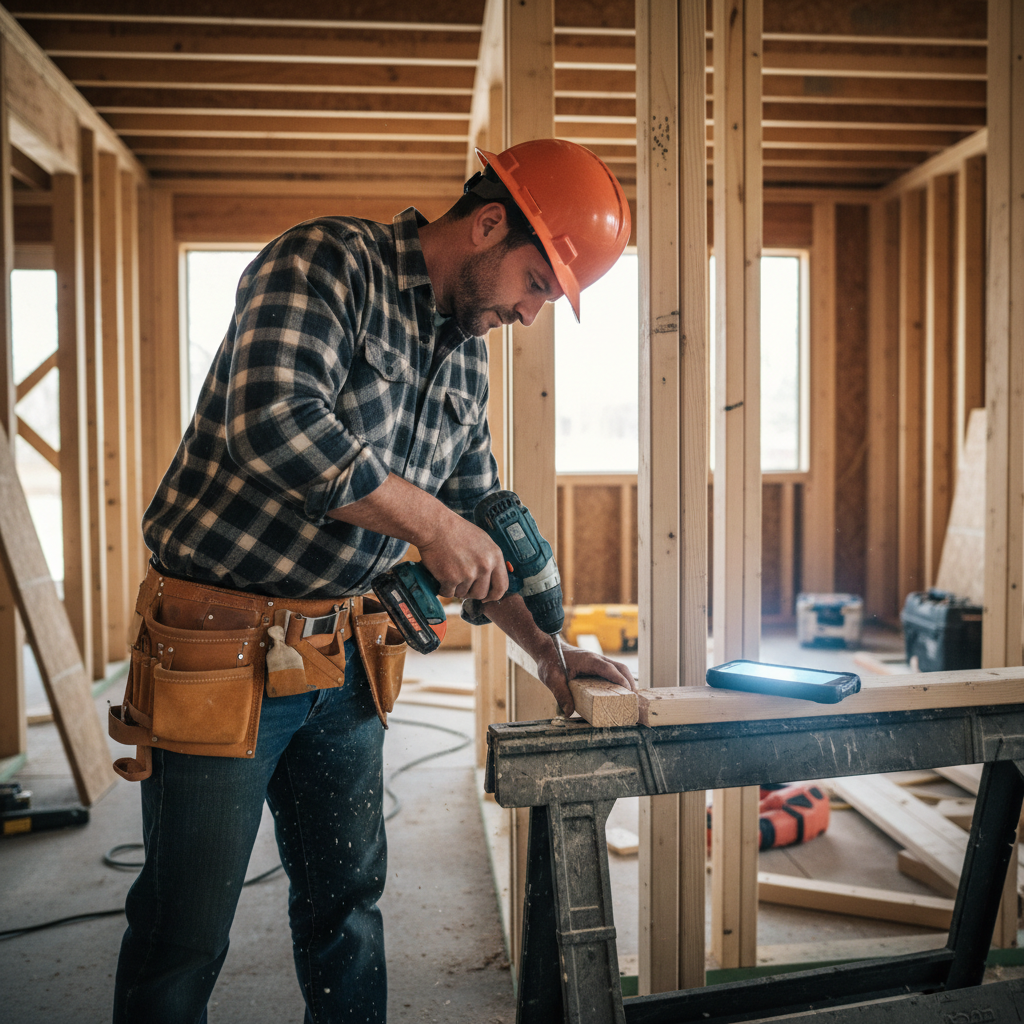
Most contractors either follow up too late (3-4 days after the estimate, when the homeowner has already scheduled two other walkthroughs) or not at all. Both are expensive mistakes.
Here's the timing broken down, and the logic behind each touchpoint.
First follow-up: within 24 hours
Your first follow-up should go out the same day you send the estimate, or no later than the following morning. This isn't aggressive. It's expected. You've just handed someone a document with potentially thousands of dollars in numbers on it. Checking in to make sure they got it and offering to answer questions is basic customer service.
The practical reason: the homeowner still remembers your site visit. Your face, your demeanor, the specific things you discussed — all of it is still fresh. Every day that passes, you fade. By day four, they might barely recall which contractor you were.
Keep this first message short. "Just wanted to make sure the estimate came through — let me know if anything looks unclear." That's all it needs to be.
Days 3-7: the decision window
This is when most homeowners are still actively deciding. They've got the quotes in hand, they're comparing, they're talking to their spouse, they're Googling reviews. Most prospects make their choice in this window — they just haven't communicated it yet.
Your Day 3 follow-up keeps you in consideration while they're still evaluating. By day seven, a significant portion of homeowners have already made up their mind. Your Day 7 touch is often the last one that can actually change the outcome.
If you go quiet during days 3-7, you're leaving the decision entirely to whoever follows up better than you.
Day 3: before they get busy again
A homeowner who asked for quotes was in "home project mode" when they reached out. Two days later, they're back to their normal life: work, kids, everything else. Your Day 3 message catches them before that initial motivation fades completely.
This is also a good moment to add something useful. A note about your timeline availability, a quick clarification on something from the walkthrough, or a mention that you're happy to adjust scope if budget is a consideration.
Day 7: still in the decision window
One week post-estimate, you're still in play. Research on home service purchasing shows the decision window for most projects is 7-14 days from when quotes are received (HomeAdvisor, 2023). Your Day 7 message keeps you in that window.
This is a good moment to bring something genuine to the table. Do you have an opening on the schedule? Did a similar project come up recently that reminded you of something relevant? Is there any real timing consideration they should know about? Use it.
Day 14: your last real chance
Two weeks out, a lot of decisions have already been made. But not all of them. Some homeowners genuinely take this long. Some had a life event that pushed it back. Some are slow to pull the trigger on big purchases.
Day 14 is your last realistic shot to influence a decision in progress. Be honest about your schedule if it's filling up. Offer to adjust scope if budget was the hesitation. Make it easy for them to say yes.
Day 21: the closing loop
This is the final touch. By three weeks, anyone who was going to decide has decided. But there's a useful category of prospect who has been meaning to get back to you and keeps forgetting. Your Day 21 message, framed as a final check-in, often shakes those people loose.
Say directly that this is your last message. Give them a clean out: "If you went with someone else or the timing changed, no worries at all — just let me know and I'll close this out." That permission to say no often produces a yes from people who are genuinely interested but stalled.
What to do if they haven't opened the email
If you use a tool with email open tracking and the prospect hasn't opened your estimate at all, follow up differently. Don't reference the estimate as if they've read it. Instead:
- Try a different channel — text message if you haven't already
- Keep the message even shorter: "Hey [Name], just wanted to make sure you got the quote I sent over for your [project]. Let me know!"
- Check if the email went to spam (ask them to check if you get no response)
An unopened estimate means you haven't actually started the follow-up process yet. They've never seen what you quoted. Fix the delivery problem before you start the cadence.
What to do if they've opened it multiple times
This is the clearest buying signal you can get without a verbal commitment. If someone has opened your estimate three or four times, they're seriously considering it. They're re-reading the numbers. They're comparing. They're close.
Don't just send another email. Call them. A quick, low-pressure call: "Hey, I saw you were looking at the estimate — I just wanted to see if you had any questions I could clear up quickly." That's it. You're not being weird by knowing they read it. You're being attentive. Most contractors never do this, and it converts at a high rate.
When to stop following up
Stop following up when any of these are true:
- They explicitly declined or told you they went with someone else
- They asked you to stop contacting them
- You've hit all five touches with zero response of any kind
- More than 30 days have passed since the estimate was sent
Until one of those is true, you have not followed up too much. You're running a proper follow-up sequence, which is something most of your competitors aren't doing.
Frequently asked questions
How soon should a contractor follow up after sending a quote?
Within 24 hours. The homeowner still remembers the site visit and your conversation is fresh. Waiting 3-4 days is one of the most common and expensive mistakes contractors make. By then, they may have already scheduled someone else for a second look.
How many times should a contractor follow up on an estimate?
Five touches over 21 days is the right cadence: Day 1, Day 3, Day 7, Day 14, and Day 21. Research across sales industries shows 80% of closed deals require five or more contacts (Salesforce, 2023). Most contractors stop at one or zero.
Is it too pushy to follow up multiple times after a quote?
No, as long as you're spaced out appropriately and not sending the same message twice. Homeowners are busy. A spaced, professional sequence reads as organized and attentive, not desperate. What reads as desperate is following up three times in 48 hours or offering to cut your price in the first message.
Should I follow up by text or email after sending an estimate?
Both, but text first. SMS open rates are around 98% vs. 28% for email (SimpleTexting, 2024). Send a text as your primary follow-up and use email as a secondary channel, especially for anything that includes documents or detailed information.
Stop Losing Jobs to Silence
QuoteFollow automatically follows up with every prospect after your quote — by email and text. $79/month, 14-day free trial.
Start free trialKeep reading
Related guides
How Many Follow-Ups After a Quote? (Data Says 5)
80% of sales close after 5+ touches. 44% of contractors give up after one. Here's the exact cadence that maximizes conversions without being annoying.
Templates5 Quote Follow-Up Templates That Get Replies (Copy+Paste)
Copy-paste text and email templates for Day 2 through Day 21 after sending a quote. Each one is explained so you know why it works.
SalesSpeed to Lead: Why First Contractor to Reply Wins (78%)
78% of customers hire the first company to respond. Here's the data, why contractors are structurally slow, and how to fix it even when you're on the job.
Stop losing quotes to silence.
QuoteFollow chases every quote and invoice automatically — flat $79/mo, SMS included.
Start free trial →