April 12, 2026
Window and Door Contractors: 5 Ways to Win More Jobs After Sending a Quote
Window and door replacement is one of the most competitive categories in home services. The moment a homeowner fills out a form online, they're getting called by 4 or 5 contractors within the hour. A 5-touchpoint follow-up sequence — day 1, 3, 7, 12, 18 — closes roughly 40% more jobs than a single follow-up call. Most of your competitors won't send more than two. That gap is where you win.
Last updated: April 2026
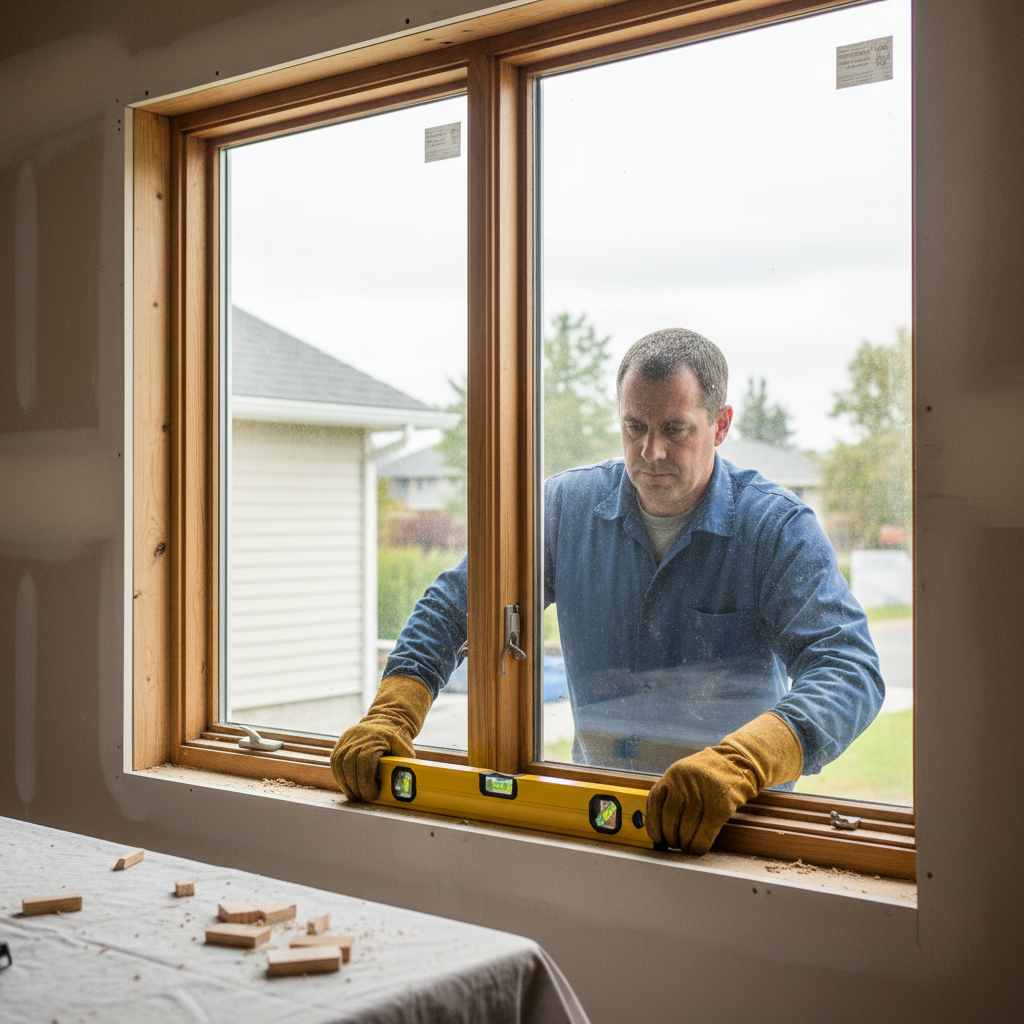
The problem with platforms like HomeAdvisor and Angi is that they commoditize you before the appointment even happens. By the time you're standing in someone's living room measuring windows, they've already had three other contractors give them a pitch. Price becomes the default decision criteria — unless you do something to change that.
Post-quote follow-up is where you can actually differentiate. Your competitors send a quote and wait by the phone. You send a quote and then stay present, useful, and specific over the next two weeks. Here are the five moves that consistently close more window and door jobs.
1. Respond faster than anyone else
Speed matters in window sales more than people realize. Leads contacted within 5 minutes of submitting a form are 21 times more likely to convert than leads contacted after 30 minutes (MIT Lead Response Study, 2011 — still holds today). Most contractors respond in hours, not minutes. If you can get your estimate out the same day and follow up the next morning, you're already ahead of most of your competition.
The first follow-up after sending the quote should go out within 24 hours. Not to push for a decision — just to confirm receipt and open the door. "Wanted to make sure the estimate came through okay and see if you had any first questions. I'm easy to reach by text." That's it. You're not selling — you're being available.
2. Use the energy savings argument in your follow-ups
Window and door replacement has one of the best ROI narratives in home improvement, and most contractors never use it in their follow-up. Single-pane windows and old door frames can account for 25-30% of a home's heating and cooling loss (U.S. Department of Energy). A full window replacement with quality double-pane or triple-pane units can cut that number in half.
Put that into dollars. A homeowner spending $220/month on heating in winter — that's $2,640 a year. Cut their heat loss by 25% and you've saved them $660 a year. On a $12,000 window job, they recover that savings in about 18 years — but combined with the comfort improvement, noise reduction, and home value increase, it's a genuinely strong value proposition. Use it.
Here's what a day-5 text using this angle looks like:
"Hi [Name], following up on your window estimate. One thing worth knowing: the double-pane units I quoted you typically reduce heat loss by 20-25% compared to what you have now. On a home your size, that usually translates to $500-700/year in savings. Happy to walk through the numbers if helpful."
3. Outlast your competitors by staying in the game longer
Here's a pattern that plays out constantly in window sales: the homeowner gets 4 quotes, all the contractors follow up once or twice, nobody hears back, and everyone gives up by day 10. Then on day 18, the homeowner finally decides. Whoever reaches out on day 15 — or day 17 — gets the job because they're the only one still present.
A 5-touchpoint follow-up sequence — day 1, 3, 7, 12, 18 — closes roughly 40% more jobs than a single follow-up call. Most of the gain comes from the later messages, the ones your competitors stopped sending. You're not being aggressive. You're just staying in the game.
4. Differentiate on specifics, not generalities
"We do quality work and stand behind everything we install" is what every contractor says. It means nothing to a homeowner comparison shopping. What actually differentiates you in follow-up is specificity. Reference their actual job. Mention the specific windows you're replacing, the installation detail you noticed, the thing that makes their project particular.
"I noticed the bay window in your living room has a rotted sill — wanted to mention that's included in the scope I quoted, some contractors will quote the glass only and add the carpentry as a change order" is a message that sticks. You've just told them something they need to know, positioned yourself as thorough, and raised a question they'll now have for your competitor.
5. Make the final follow-up easy to respond to
Your last message in the sequence should not ask for the job. It should just make it easy to respond at all. Most prospects who go quiet aren't ignoring you — they're procrastinating because they haven't made a decision and responding feels like making one. Remove that pressure.
"Still happy to help whenever the timing is right. Even if you've gone a different direction, no hard feelings — just let me know so I can close out your file." That message gets responses from people who booked someone else (useful to know), people who are still deciding (now back in conversation), and the occasional person who was just waiting for a nudge to move forward.
Window and door sales is a volume game with a high ticket price — $8,000 to $25,000 depending on the project. You don't need to be the cheapest. You need to be the one who's still present when the homeowner makes the call. A disciplined follow-up sequence, running automatically, is the single highest-leverage thing you can add to your sales process without adding headcount.
Frequently asked questions
How many follow-ups should a window contractor send after a quote?
Five touchpoints over 18 days: day 1, 3, 7, 12, and 18. The majority of jobs that close from follow-up do so after the third contact or later. Your competitors stop at one or two — that's why staying in the sequence longer wins jobs.
How do window contractors compete against lower bids from Angi or HomeAdvisor leads?
Specificity beats price in follow-up. Reference the homeowner's actual job, mention details about their windows that other contractors missed, and include real numbers — energy savings, efficiency comparisons. Homeowners who feel educated by a contractor tend to trust them more, even at a higher price.
What's the best follow-up message to send a window replacement prospect?
The day-5 energy savings message performs consistently well: explain what heat loss their current windows are causing in dollar terms, and what the new units would save per year. It's specific, it's relevant to their decision, and it gives them a reason to respond.
When is a window prospect actually lost vs. still deciding?
Most prospects aren't lost until they explicitly tell you they went with someone else. Silence at day 10 does not mean they chose a competitor — it usually means they got busy. Keep sending until day 18 before you consider closing out the file.
Stop Losing Jobs to Silence
QuoteFollow automatically follows up with every prospect after your quote — by email and text. $79/month, 14-day free trial.
Start free trialKeep reading
Related guides
How to Increase Contractor Close Rate Without Cutting Price
Cutting your price is the lazy way out. Here are the things that actually move the needle on close rate, from speed to lead to handling objections over text.
SalesSpeed to Lead: Why First Contractor to Reply Wins (78%)
78% of customers hire the first company to respond. Here's the data, why contractors are structurally slow, and how to fix it even when you're on the job.
Templates5 Quote Follow-Up Templates That Get Replies (Copy+Paste)
Copy-paste text and email templates for Day 2 through Day 21 after sending a quote. Each one is explained so you know why it works.
Stop losing quotes to silence.
QuoteFollow chases every quote and invoice automatically — flat $79/mo, SMS included.
Start free trial →